
Convexity Coaching offers specialist performance coaching for neurodivergent talent in the trading and technology industries.
Built on a decade of experience working inside the quantitative trading industry, we specialise in coaching neurodivergent talent to understand their own wiring and build ways of working that work uniquely for them under pressure, turning ability into consistency.
Our proprietary, neuroscience-based framework doesn't focus on problems, but rather on the underlying executive functions impacted by neurodivergence.
Our vision is a trading industry where neurodivergent talent is understood and supported to find and sustain their edge. Fewer burnouts. Stronger retention.
Our purpose is to
Turn potential into sustained performance
Most firms already invest in coaching for their high performers, but traditional executive coaching is built on neurotypical assumptions: define the goal, agree the actions, hold the individual accountable and performance follows.
For neurodivergent talent, it’s the executive functions behind that process (planning, motivation, impulse control etc.) that operate differently. That is why conventional coaching often fails neurodivergent employees in the long-term, as it doesn't address the underlying factors.
Our neuroscience-based framework - delivered in a way built for traders and engineers - addresses the executive functions impacted by ADHD and ASD through sequential steps - building systems that hold up under real performance pressure, long after the coaching ends.
We work with firms through annual partnerships rather than one-off 'block of sessions' engagements, giving your people the time and support to grow at their own pace, alongside working with managers, leaders and HR teams to build a supportive and high performing culture.
Built for long-term change. Delivered as a long-term partnership.
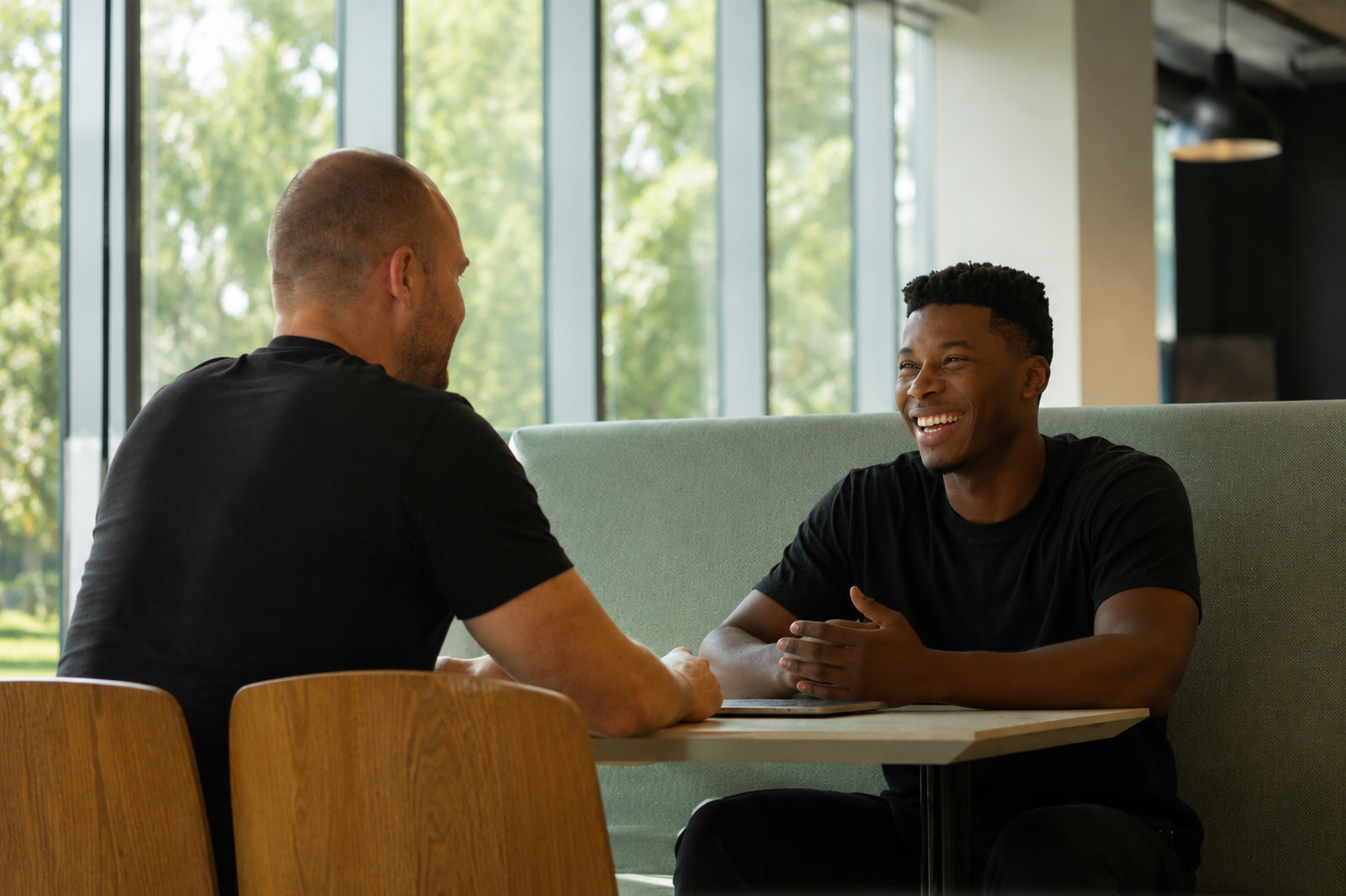
Understanding their own wiring, to build an accurate understanding of their strengths and challenges: the foundation for consistent performance.
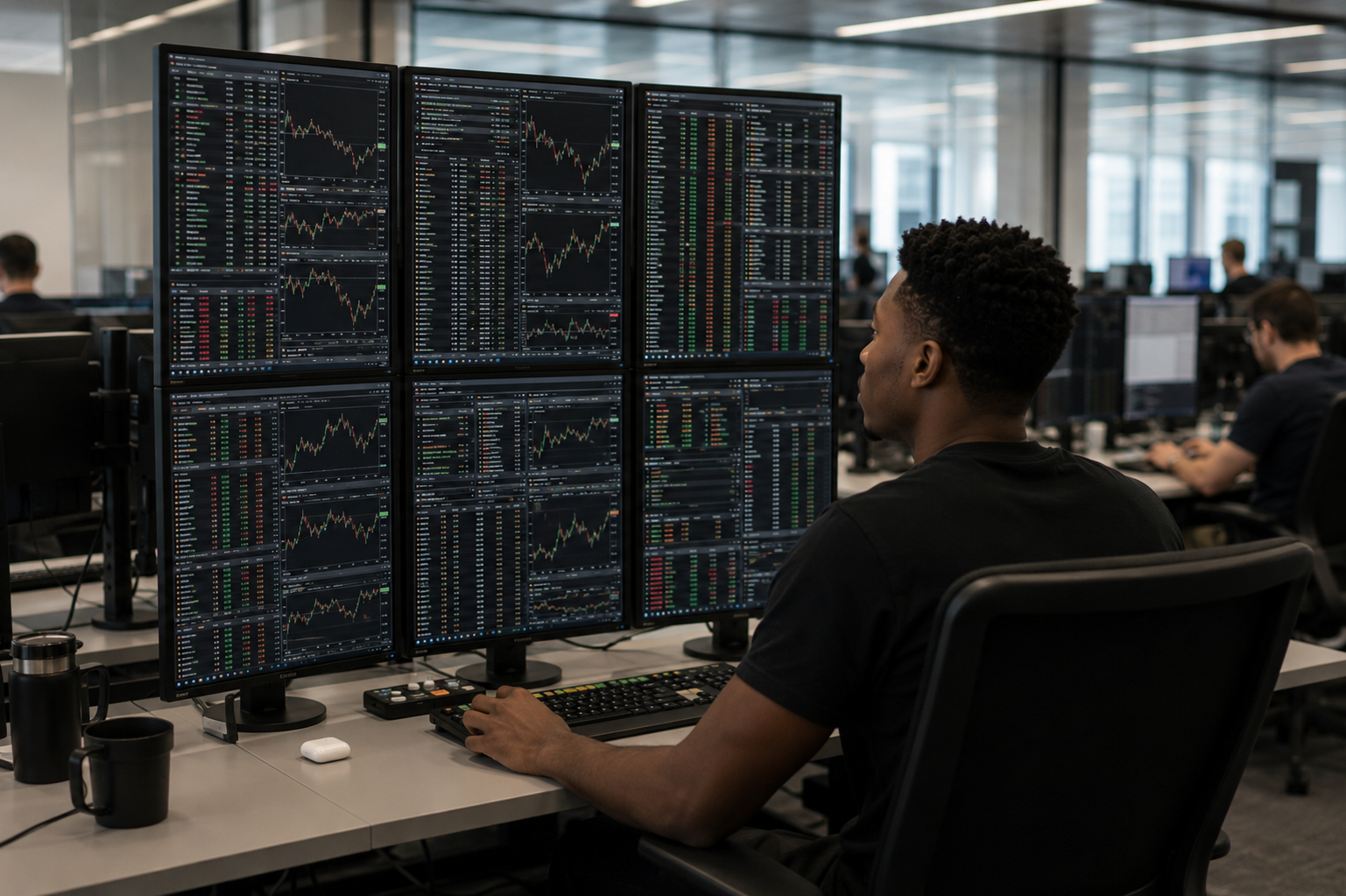
Identifying and reframing the limiting patterns that cause procrastination and inconsistency, often built up over years of working in systems not designed for them.

Replacing generic productivity advice with practical systems designed to work with each individual’s brain and hold up under pressure.

Making high performance sustainable by building the habits that protect energy, focus and performance over the long term, reducing the risk of burnout.
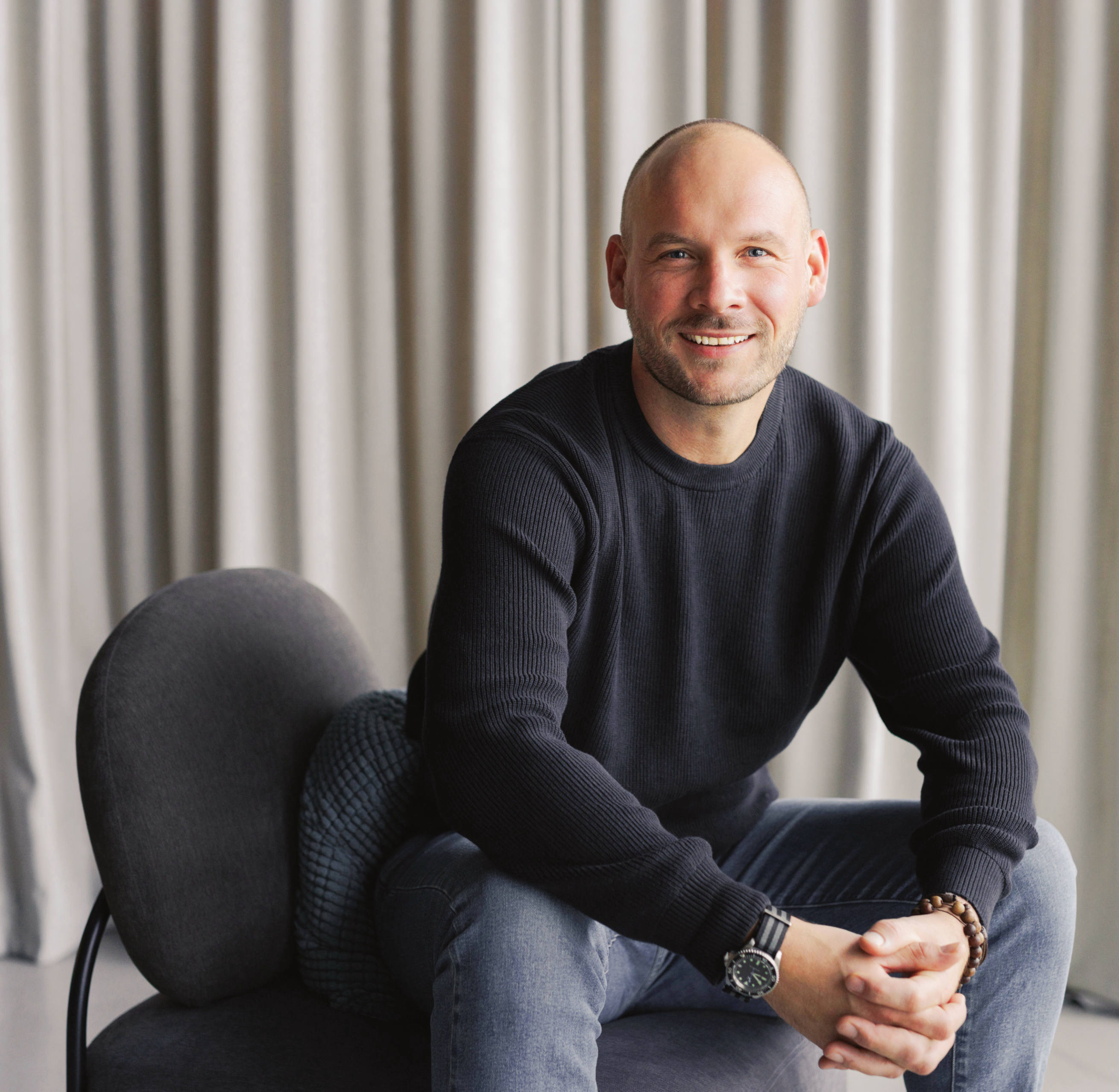
Cameron spent over a decade working in the quantitative trading industry's talent and HR functions, helping firms hire and develop exceptional people.
His own experience with a late ADHD diagnosis in his mid-thirties showed him first-hand that traditional coaching isn’t designed for neurodivergent minds.
He founded Convexity Coaching to change that, delivering specialist systems-led coaching that helps high-performing neurodivergent talent perform consistently and sustainably.
Every person who burns out or leaves takes years of investment with them. With neurodivergent talent, it's rarely a skills problem; it’s a systems problem. Coaching is our core business, but lasting change needs the correct environment around each individual too. That’s why we partner with trading and technology firms at a business level:
Neuroinclusive culture. We work with HR and L&D leaders to identify the barriers holding back neurodivergent performance and retention, and design an inclusion strategy built around your firm’s culture, not a generic programme.
Management training. We train managers to assign work, give feedback and run performance conversations in ways that work with neurodivergent thinking rather than against it, reducing the day-to-day friction that drives good people to leave.
Neurodiverse leadership. We help senior leaders build a real understanding of neurodivergent talent, beyond the stereotypes, and embed it in how they lead, hire and promote.
The result: fewer burnouts, stronger retention and more consistent performance from your highest-potential people.
Traditional executive coaching is built on neurotypical assumptions about how someone already works. It typically focuses on sharpening goals, developing work-related skills and creating accountability, on the basis that once the right actions are agreed, execution will follow. For many professionals, that works well.
For neurodivergent professionals, that premise breaks down. The Executive Functions that govern attention, planning, motivation and emotional regulation are precisely what operate differently in ADHD and autism. No amount of goal-setting or accountability can fix a system that wasn’t designed for the brain operating it. That is why executive coaching so often fails neurodivergent people in the long run.
Neurodiversity coaching starts from a different place. Rather than working on the visible behaviours, it works on the underlying executive function skills that drive them, helping individuals understand how their brain works and develop strategies that suit it.
Research supports this: in a 2026 study of adults with ADHD, twelve sessions of ADHD coaching produced a significant, medium-to-large improvement in Executive Functioning, with the gains still holding six weeks after coaching ended (Ahmann et al., 2026).
Why is this relevant? Neurodivergent professionals are far more vulnerable to burnout than their colleagues. One recent study found that 43% of neurodivergent workers were already burnt out, compared with 18% of their peers (SuperFriend & Specialisterne, 2025). Another, of nearly 7,700 employees, found ADHD symptoms closely linked to burnout, and its authors specifically recommend executive function coaching as a way to reduce that risk (Teodorini et al., 2026).
For firms, that means neurodiversity coaching isn’t just a development tool - it’s one of the most effective ways to protect the retention of your highest-potential people.
But on a more human note, being neurodivergent is a very personal experience, often laced with feelings of being misunderstood, and indeed, not always understanding yourself. That is why having a coach with lived experience matters. Being understood and being met with recognition rather than assumptions is what makes lasting change possible.
Early in his coaching career, Cameron noticed a consistent pattern in coachees. Coaching that focused purely on developing Executive Functioning skills worked well, right up until the person hit a period of real pressure or friction. At that point, old habits took over and they would often revert to what felt familiar and safe.
That’s because long term behavioural change isn’t simply a question of skills or discipline. It goes deeper, to a question of identity. Until someone’s beliefs about who they are and how they work begin to shift, new strategies have nothing to anchor to. That’s why our framework starts by building self-awareness and self-understanding, before moving on to developing Executive Function skills. Think of it as similar to the relationship between programming and coding.
High performance is rarely limited by skill. It’s far more often limited by mindset and mental regulation, and emotional regulation is one of the executive functions most impacted by ADHD and ASD. To address this, our framework draws on proven concepts from elite sports psychology, including the work of Gilbert Enoka, Tim Gallwey and Dave Alred, adapted into neurodivergent-friendly strategies. So, where many neurodiversity coaching providers focus mainly on developing executive function skills, we take your people through a deliberate sequence:
Foundations first: Building self-understanding and reshaping the identity beliefs and emotional blocks that hold performance back under pressure.
Systems and tools second: Designing practical strategies to strengthen executive function skills, once the foundations are in place.
Regulation last: Developing the mental fitness and emotional regulation that allow those systems to hold up under pressure, long after the coaching has finished.
Effective coaching is built on empathy, understanding and connection, and that starts with knowing the world people operate in. Having spent over a decade inside the trading industry, we understand the environment first-hand: the pace, the culture, and the pressure of performing when the stakes are high.
That shared understanding matters. Your people don’t have to spend sessions explaining their world, or translating coaching advice designed for the corporate world into the reality of a trading floor or engineering environment.
Coaching also needs to be relatable to be effective. Our framework is delivered through models and language that traders and engineers naturally connect with and relate to. When coaching makes sense to how someone already thinks, it’s absorbed faster and applied more consistently.
Every stage of the framework has been shaped with the trading world in mind, from the way executive function challenges show up on a trading floor to the strategies designed to work within it.
Its final stage, focused on emotional regulation, is built specifically for the intensity of the industry, helping your people sustain high performance under pressure and recognise the warning signs of burnout long before it takes hold.
We partner with firms on an annual basis, combining one-to-one coaching for your people with training and advisory support for your HR/L&D teams, managers and leaders - so the progress your people make is reinforced by the environment around them.
Coaching sessions typically take place on a fortnightly cadence, delivered in-person where possible, or remotely, so we can work with your talent wherever your teams are based.
Between sessions, individuals are supported through our online platform, which helps them prepare for each session, reflect on progress and stay accountable.
Because coaching isn’t a linear process, the support each person receives adapts to where they are, rather than being limited to a fixed number of sessions. The result is an engagement that fits around the demands of a trading environment, and builds lasting change rather than a short-term boost.
Throughout the partnership, we stay in regular contact with HR to review how the engagement is working, while keeping the content of individual sessions confidential.
Because lasting change doesn’t happen on a fixed schedule.
We believe that coaching isn't a linear process. Growth happens at different paces for different people, and in a trading environment it’s shaped by the volatile pressures of the role as much as by the individual. Rather than limiting someone’s development to the number of sessions purchased, we believe in meeting each individual at the pace they’re ready for.
Working in partnership also allows us to invest fully in your people. Without the pressure of selling packages and filling limited time slots, our time and focus go where they matter: cultivating real, sustainable change in your talent and the environment around them.
The result is a partner who is invested in your people’s long-term success, not just the next booking.
No. A formal diagnosis is not required to work with us.
Diagnosis pathways for neurodivergency remain slow and inaccessible, with many adults never formally being assessed. For those who went undiagnosed through childhood, a diagnosis often only comes after a prolonged period of burnout.
We believe support shouldn’t wait for that point.
Our coaching works with how an individual’s brain actually operates, whether they’re formally diagnosed, still under assessment or self-diagnosed. The methodology doesn’t change, and our aim is to help prevent burnout in the first place, rather than respond to it.
It’s worth noting that coaching is not a clinical service and doesn’t replace diagnosis or medical treatment. Where it would help, we can signpost individuals towards appropriate clinical support.
Not at all. Our framework is delivered in a language and context with traders and engineers in mind, but its principles apply to anyone and delivery can be adjusted accordingly.
Yes. We believe that coaching is best delivered in person, which is why we are happy to travel to work on site. But where that is logistically difficult, we are - of course - willing to deliver remotely, ensuring that we can support your people wherever they’re based.
We work with people across Europe, the UK and the US, and can design a single partnership that provides consistent support across multiple offices, while adapting to local teams and working cultures.
Cameron trained as an ADHD coach with ADHD Works, the only UK provider certified by the CPD accreditation body. It is a comprehensive programme spanning several months, covering both ADHD and autism, with a mandatory practical assessment before qualification.
In addition, he holds a certificate in Executive Coaching from the University of Cambridge, and a diploma in Psychology from the University of Oxford.
Combined with over a decade in the quantitative trading industry’s talent and HR functions, this gives our coaching both specialist expertise and a genuine understanding of the environment your people work in.
The first step is a simple conversation. Tell us what your firm is working towards, whether that’s supporting an individual, upskilling your managers or building a neuroinclusive culture, and we’ll show you how we can help.
Last updated: 18 February 2026
This privacy notice aims to give you information on how we collect and process your personal data through your use of the Site and Services, including any data you may provide through the Site and when you are using our Services.
If you have any questions about this privacy notice, including any requests to exercise your legal rights set out below, you can contact us
Controller
Convexity Coaching is the controller and responsible for your personal data (collectively referred to as “I”, “we”, “us” or “our” in this privacy notice).
The purpose of this privacy policy is to inform users of the following:
Personal Data we collect
In order to give you the best possible experience when working with Convexity Coaching, we automatically collect & store information when you contact & work with us.
We currently collect and process the following information:
Cookies
Our website may use cookies to enhance user experience. Cookies are small pieces of data stored on a user's device by a web browser. While cookies themselves do not contain personal information, they may be linked to personal data that we collect and process.
We use cookies for the following purposes:
By using our website, you consent to the use of cookies in accordance with this Privacy Policy. You can control and manage cookie preferences through your browser settings. Please note that disabling cookies may affect the functionality of our website and your user experience.
How we get the personal information and why we have it
Most of the personal information we process is provided to us directly by you for one of the following reasons:
We use the information that you have given us to ensure that we are providing you with the best possible service. Your personal information enables us to contact you, refer you onto other members both working alongside Convexity Coaching & provide services effectively.
Under the EU General Data Protection Regulation (EU GDPR), the lawful bases we rely on for processing this information are:
(a) Your consent. You are able to remove your consent at any time. You can do this by contacting us at cameron@convexitycoaching.com
How we store your personal information
To keep your personal information secure, we communicate our privacy and guidelines to all future Convexity Coaching employees and strictly enforce privacy safeguards within the company. Your information is stored securely on our main database, or on third party websites such as Cal.com & Thinkific
We keep contact information & characteristics for as long as is necessary or appropriate in accordance with this privacy policy. We will then dispose of your information by removing your profile from our database along with any personal records.
Your data protection rights
Under data protection law, you have rights including:
You are not required to pay any charge for exercising your rights. If you make a request, we have one month to respond to you.
Please contact us via one of the channels listed in the footer of this website if you wish to make a request.
Complaints
You have the right to file a complaint with the Dutch Data Protection Authority. You can do this by clicking here .